What’s In-Mold Labeling (IML)
What’s In-Mold Labeling (IML)
In-Mold Labeling (IML) is a process that involves the integration of labels or graphics directly into a plastic product during the molding process.
Instead of applying labels or stickers onto the surface of a plastic item, the labels are placed inside the mold cavity before the molten plastic is injected.
The labels become an integral part of the final product, with the plastic material encapsulating and protecting the label.
The process of in-mold labeling typically involves the following steps:
1. Label Design: Custom labels or graphics are designed specifically for the product, considering the shape, size, and intended placement on the plastic item.
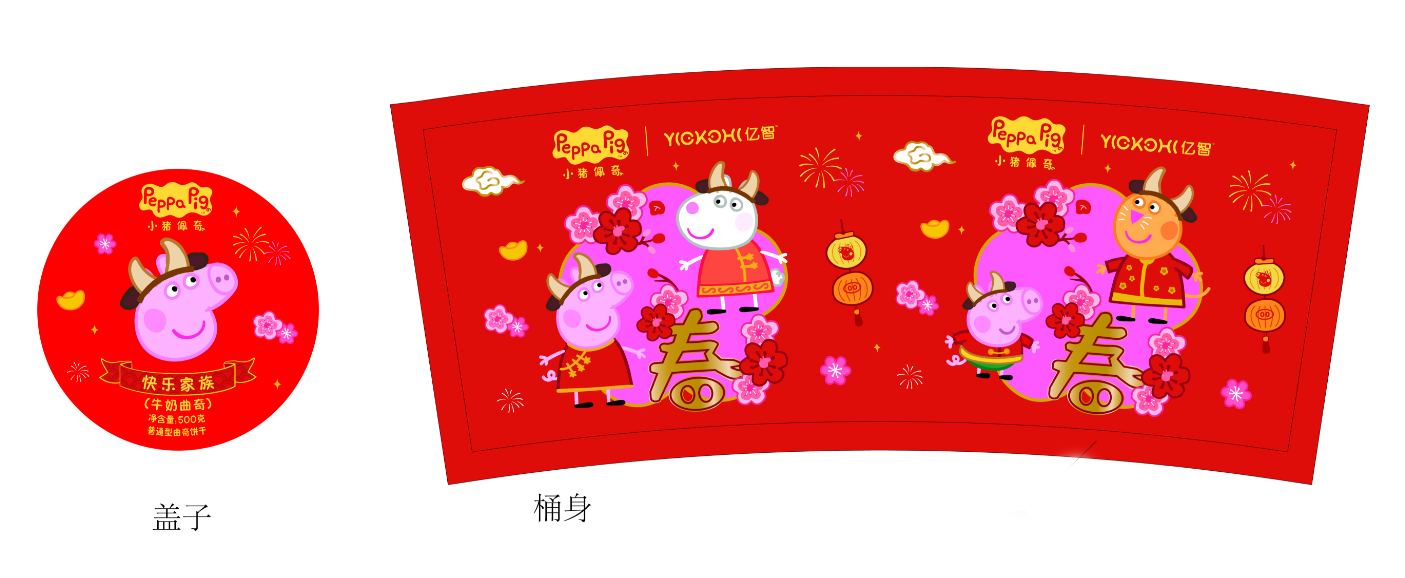
2. Label Printing: The labels are printed using specialized inks and printing techniques that ensure durability and adherence to the plastic material.
3. Label Placement: The printed labels are precisely placed inside the mold cavity, often with the help of automation or robotic systems to ensure accuracy and consistency.
4. Injection Molding: The mold, containing the labels, is closed, and molten plastic material is injected into the mold cavity. The plastic material flows around the labels, encapsulating them and taking the desired shape of the final product.
5. Cooling and Solidification: The injected plastic and the labels inside the mold are cooled, allowing the plastic to solidify and form the desired shape.
6. Product Ejection: Once the plastic has solidified, the mold is opened, and the finished product, now with the embedded labels, is ejected.
In-Mold Labeling offers several advantages:
1. Durability: Since the labels are fused with the plastic material, they become resistant to wear, tear, and fading, ensuring long-lasting graphics and branding.
2. Aesthetics: IML provides a seamless, high-quality appearance with no visible edges or adhesive residue, enhancing the overall visual appeal of the product.
3. Efficiency: The integration of labeling and molding processes reduces the need for additional labeling steps, streamlining production and minimizing labor requirements.
4. Branding and Customization: IML allows for vibrant, detailed graphics and branding elements to be incorporated directly into the product, offering customization options and brand differentiation.
In-Mold Labeling is commonly used in various industries, including packaging, consumer goods, automotive, and electronics, where high-quality labeling, durability, and efficiency are desired.
Want to know more about IML, please look below production video.
//youtu.be/AUJtbE0-ys0
Are You Making These Common Mistakes When Buying Plastic Housewares?
Unveiling the Characteristics of Different Plastic Materials for Home Essentials
Related Article

1. Quality
2. Reliability
3. Customization options
4. Clear Communication
5. Environmental responsibility