Why Are Recycled Products More Expensive?
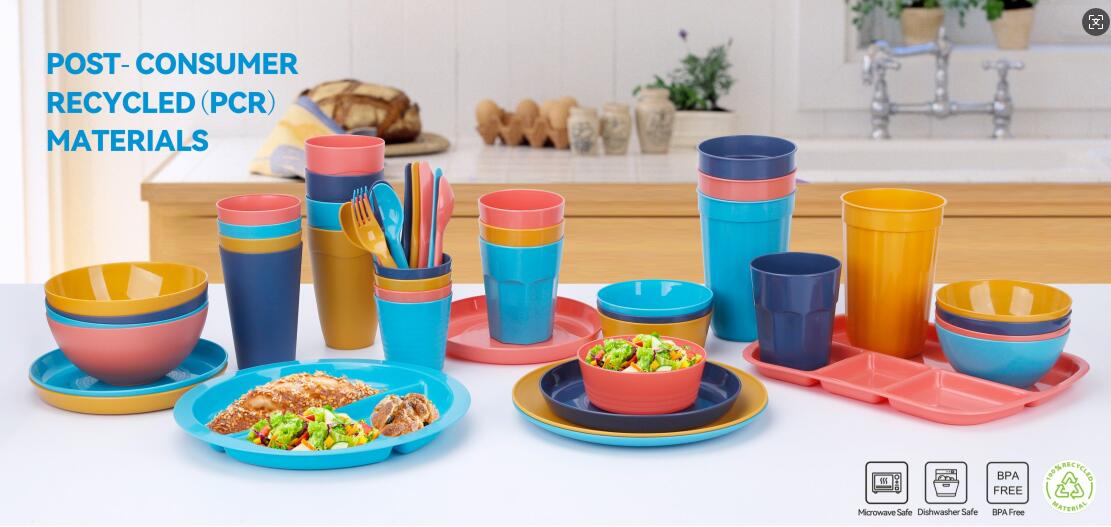
Recycled products are often seen as more expensive than non-recycled ones, which can surprise consumers who think using discarded materials should lower costs. This perception comes from the complexities involved in recycling. For example, the labor-intensive processes of collecting, sorting, and processing recyclable materials add significant costs. A clear example is the price difference between standard printer paper and its 100% recycled version, which can be nearly double the cost. Such pricing disparities can make recycled products unaffordable for many, leading to the belief that sustainability comes at a premium.
Understanding why recycled products are priced higher is crucial for several reasons. First, it helps consumers make informed purchasing decisions that align with their values regarding sustainability. Recognizing factors like labor intensity, processing complexities, and market dynamics fosters greater appreciation for recycled goods. Additionally, awareness of these economic realities can encourage consumers to support policies that improve recycling efficiency. As demand for sustainable products grows, understanding these pricing structures can motivate businesses to invest in more efficient recycling technologies, ultimately making recycled products more accessible and competitively priced in the future.
1. Labor-Intensive Recycling Process
**Collection and Sorting**
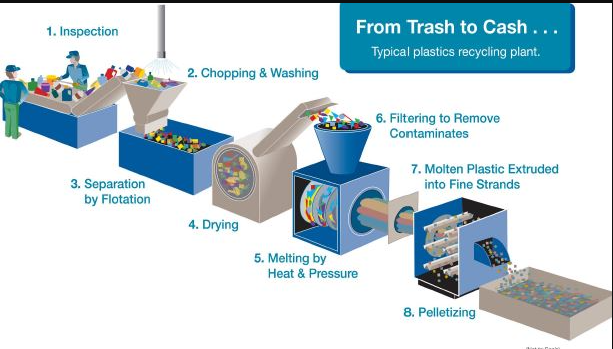
The recycling process starts with collecting recyclable materials from various sources like homes, businesses, and public bins. This requires a significant workforce to ensure efficient gathering. Local authorities or waste management companies typically handle this collection using multiple vehicles and routes to maximize recyclables collected. The labor involved includes both physical collection and logistics for transporting materials to recycling facilities.
**The Complexity of Sorting Materials**
Once collected, recyclables go to Material Recovery Facilities (MRFs) for sorting. This step is crucial because different materials—like plastics, metals, and paper—must be separated for proper recycling. Sorting can be complex due to the variety of materials and their properties. Advanced technology like optical sorters is often used to automate this process, but manual sorting by workers is still necessary to remove contaminants and ensure quality.
2. Market Dynamics
**Supply and Demand**
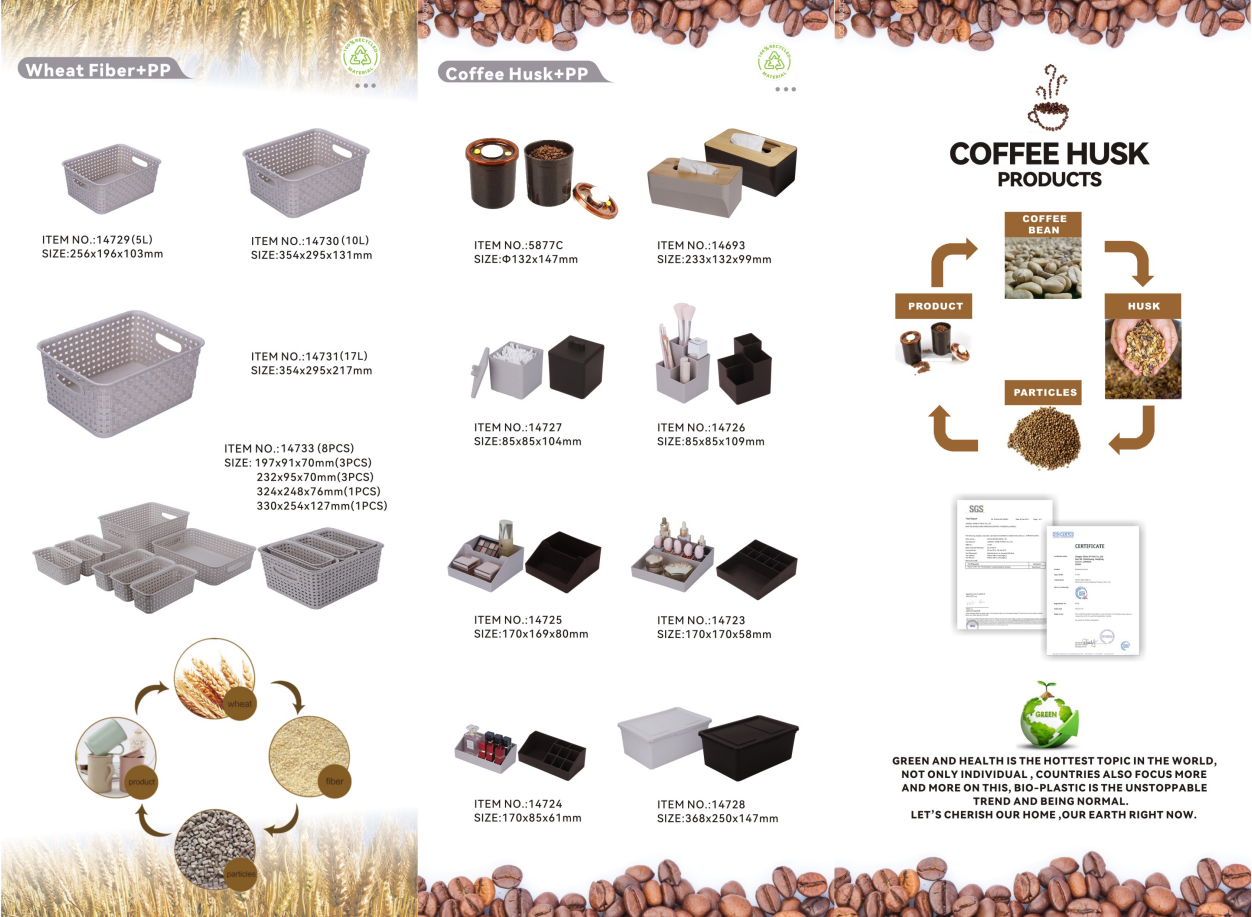
Supply and demand principles heavily influence the market for recycled products, especially as consumer awareness of sustainability rises. High demand for sustainable products drives up prices as manufacturers seek to capitalize on growing eco-friendly preferences. This trend is evident in sectors like packaging and textiles, where companies increasingly integrate recycled materials into their product lines.
Conversely, the supply of high-quality recyclable materials can be limited due to factors like contamination in recycling streams and fluctuations in collection rates. When supply does not meet demand, manufacturers may face increased sourcing costs for recycled materials, which translates to higher prices for consumers.
**Oil Prices and Competition**
Fluctuating oil prices significantly impact the competitiveness of recycled versus virgin plastics. When oil prices rise, producing virgin plastics becomes more expensive, making recycled alternatives more attractive. However, when oil prices drop, virgin plastics become cheaper to produce, undermining the market for recycled products.
3. Quality and Material Degradation
**Material Limitations**
One major challenge in recycling is that material quality degrades with each cycle. For example, paper fibers become shorter and weaker after repeated recycling processes, limiting reuse effectiveness. This degradation necessitates adding virgin fibers to maintain quality in products like cardboard or paper towels.
In contrast, some materials like aluminum can be recycled indefinitely without losing quality or performance characteristics. The limitations associated with certain materials can drive up costs for manufacturers who need to blend recycled inputs with virgin materials.
4. Economies of Scale
**Production Volumes**
The production volumes of recycled goods are often smaller compared to virgin materials, leading to higher per-unit costs. Recycling facilities typically operate at lower capacities than large-scale virgin material production plants due to processing complexities.
In contrast, mass production of virgin materials benefits from economies of scale; larger production runs lead to lower costs per unit due to more efficient processes.
5. Technological and Efficiency Factors
**Advancements in Recycling Technology**
Technological advancements have the potential to reduce recycling costs by improving efficiency in collection, sorting, and processing methods. Innovations like automated sorting systems can streamline operations over time but often require significant upfront investments that smaller facilities may find prohibitive.
**Current Inefficiencies**
Despite advancements, many recycling processes still suffer from inefficiencies that contribute to higher costs. For instance, contamination rates in single-stream recycling systems can lead to increased processing times and costs associated with sorting out unusable materials.
6. Exceptions to the Rule
**Cost-Effective Recycled Products**
While many recycled products are more expensive than non-recycled counterparts, exceptions exist where recycled items can be cheaper or competitively priced. For example, aluminum cans often contain a high percentage of recycled content due to efficient recycling processes.
**Market Variability**
Market variability also plays a role in pricing dynamics; local conditions or changes in consumer preferences may lead to situations where recycled products are competitively priced or even cheaper than non-recycled alternatives.
Conclusion
In summary, several factors contribute to the higher prices associated with recycled products: labor-intensive processes, market dynamics influenced by supply and demand, material degradation issues, economies of scale challenges, technological factors, and exceptions where certain recycled items may be competitively priced. Understanding these elements is essential for consumers who wish to support sustainable practices despite potential higher costs. By recognizing the complexities behind pricing structures in the recycling industry, consumers can make informed choices that align with their values while advocating for improvements in recycling technologies that may help lower costs over time.
How Can You Prevent Quality Issues in Imported Plastic Housewares?
How to Choose a Plastic Basket Manufacturer in China?
Related Article


1. Quality
2. Reliability
3. Customization options
4. Clear Communication
5. Environmental responsibility