
Unveiling the Characteristics of Different Plastic Materials for Home Essentials
Unveiling the Characteristics of Different Plastic Materials for Home Essentials
When it comes to plastic household products, understanding the characteristics and pros and cons of different materials is essential. In this article, we will delve into the details of various materials commonly used in the production of plastic household items, including PP, PS, AS, PET, PE, PC, PVC, and TPE.
1. Polypropylene (PP):
Characteristics: Polypropylene is a commonly used plastic material known for its lightweight, corrosion resistance, high temperature resistance, and abrasion resistance. It possesses excellent chemical stability and electrical insulation properties, making it suitable for a wide range of household products.
Pros: Good durability, excellent chemical resistance, high recycle ability, cost-effective.
Cons: Prone to yellowing and becoming brittle when exposed to prolonged UV exposure.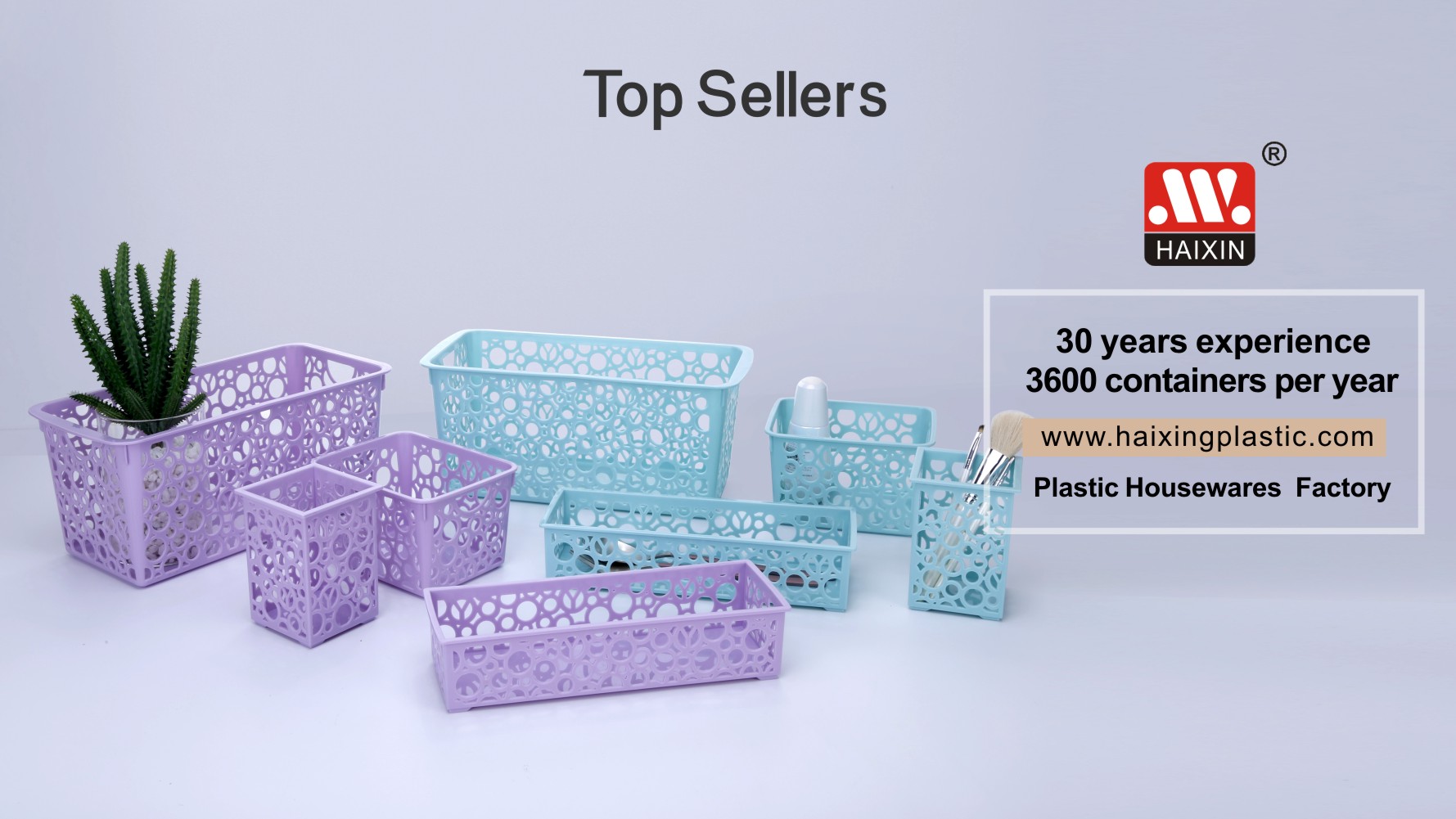
2. Polystyrene (PS):
Characteristics: Polystyrene is a transparent, rigid, and easily processed plastic material. It exhibits good stiffness and impact resistance, making it suitable for the production of household items such as cups, plates, and containers.
Pros: High transparency, good stiffness, low cost.
Cons: Prone to brittleness, not suitable for hot food or beverages, and not heat-resistant.
3. Acrylonitrile Styrene (AS):
Characteristics: Acrylonitrile Styrene is a transparent and impact-resistant plastic material. It offers high impact strength and weather resistance, making it suitable for household items like cutlery, cups, and baby bottles.
Pros: High transparency, good impact resistance, excellent weather resistance.
Cons: Relatively expensive.
4. Polyethylene Terephthalate (PET):
Characteristics: PET is a transparent, strong, and scratch-resistant plastic material. It is widely used in the production of food and beverage containers, bottles, and fiber-based household products.
Pros: High transparency, good stiffness, excellent impact resistance, good chemical resistance.
Cons: Not suitable for high-temperature applications, prone to deformation or melting.
5. Polyethylene (PE):
Characteristics: Polyethylene is a lightweight, flexible, durable, and easily processable plastic material. It possesses good chemical resistance and electrical insulation properties. It is commonly used for making garbage bags and packaging materials.
6. Polycarbonate (PC):
Characteristics: Polycarbonate is a tough, transparent, and heat-resistant plastic material. It offers excellent impact resistance and can withstand high temperatures, making it suitable for household items that require durability and clarity, such as water bottles, food storage containers, and safety glasses.
Pros: High transparency, exceptional impact resistance, excellent heat resistance.
Cons: Relatively higher cost compared to other plastics.
7. Thermoplastic Elastomer (TPE):
Characteristics: Thermoplastic Elastomer is a blend of rubber and plastic, combining the characteristics of both materials. TPE is soft, flexible, and has excellent elasticity, making it suitable for household items like grips, seals, and cushioning materials. It offers good resistance to impact, weathering, and chemicals.
Pros: Flexibility, elasticity, good impact resistance, weather resistance.
Cons: May have limited heat resistance compared to other plastics.
Conclusion:
Understanding the characteristics and pros and cons of different plastic materials used in the production of household products is crucial for selecting the right material for specific applications. Each material has its unique properties, and considering factors such as transparency, impact resistance, heat resistance, durability, and cost will help in making informed decisions. By choosing the appropriate material, you can ensure that your plastic household products meet the desired performance and functionality while aligning with your specific requirements.
Contact me to know more about those materials: www.haixingplastic.com
What’s In-Mold Labeling (IML)
8 IMPORTANT POINTS TO CONSIDER WHEN SELECTING A PLASTICS SUPPLIER
Related Article


1. Quality
2. Reliability
3. Customization options
4. Clear Communication
5. Environmental responsibility