
Are You Making These Common Mistakes When Buying Plastic Housewares?
As a busy homeowner, I am always looking for ways to make my life easier, more organized and efficient. One of the simplest ways to do this is by investing in plastic housewares. From storage containers to kitchen utensils, plastic items are affordable, versatile, and easy to clean. However, despite their many benefits, there are some common mistakes that people make when buying plastic housewares. In this blog post, I will share with you some of these mistakes and how you can avoid them.
#BPA-FREE: Are you buying plastic housewares without checking the label? Many plastic products contain harmful chemicals such as Bisphenol A (BPA) and phthalates, which have been linked to serious health problems like cancer, infertility, and hormonal imbalances. To avoid these risks, it is important to look for products that are labeled as BPA-free and phthalate-free.
#PRICE: Another common mistake when buying plastic housewares is buying cheap, low-quality products. While it may be tempting to save money by purchasing the cheapest items available, this can actually end up costing you more in the long run. Cheap plastic products are more likely to break, warp, or become discolored over time, requiring you to replace them more frequently. Instead, invest in high-quality plastic housewares that are durable and long-lasting, even if they cost a bit more upfront.
Sometimes cheap plastic items are made from dirty recycle material which can not pass food contact test. And some supplier will add Calcium carbonate into the material which will make the plastic look strong but it’s easy broken.
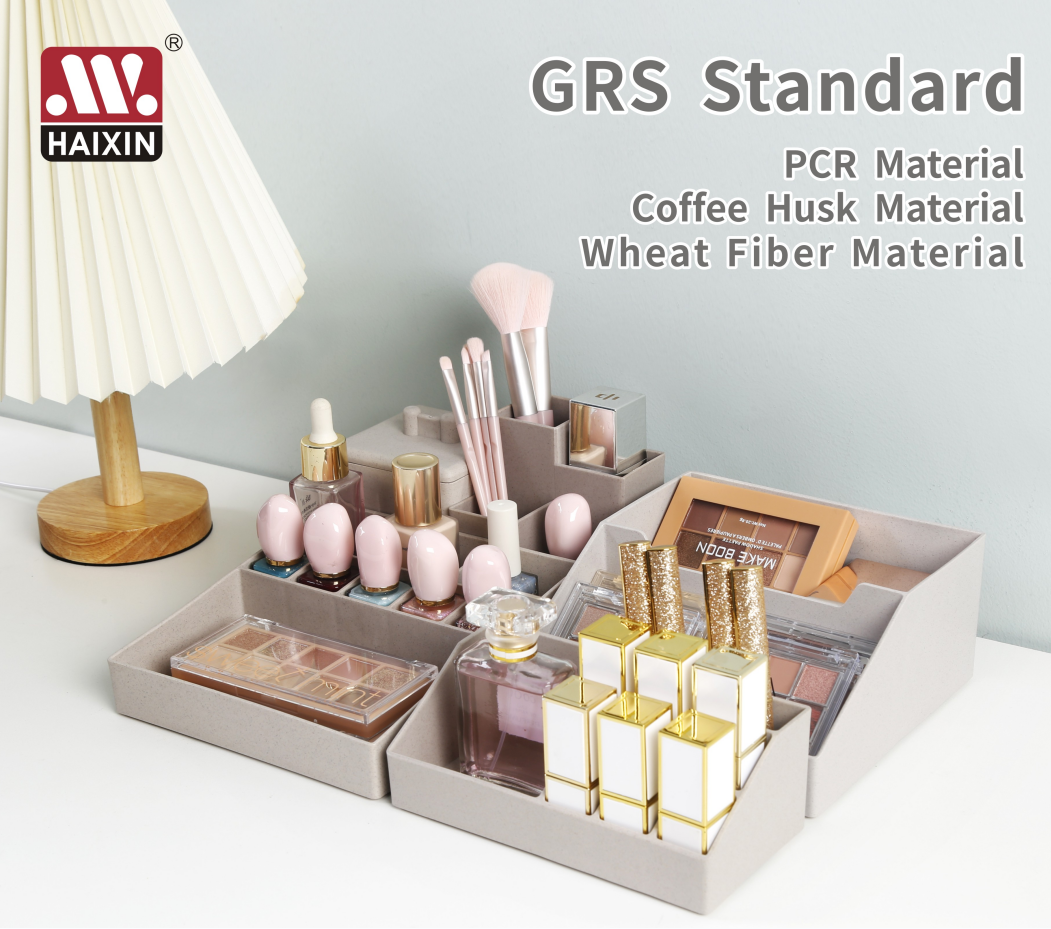
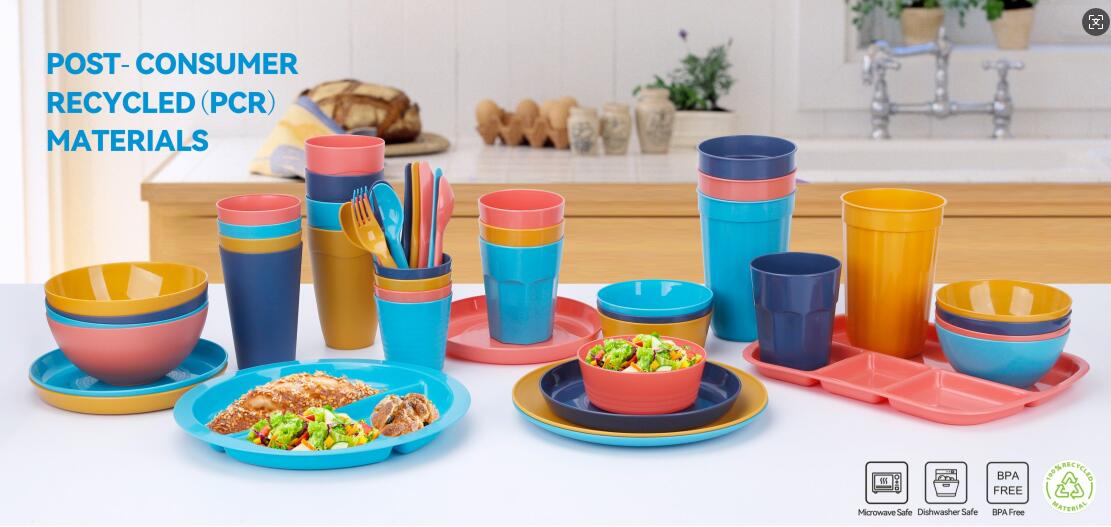
Good and high-quality plastic items are usually made of virgin material or GRS standard recycle materials which is safe for your health.
#Eco-friendly: Are you forgetting about the environment when buying plastic housewares? Plastic is a notorious environmental hazard, as it can take hundreds of years to decompose and can harm wildlife and ecosystems. To reduce your impact on the environment, look for plastic products that are made from GRS standard recycled materials or are biodegradable. Additionally, try to buy only the plastic housewares that you really need, and avoid impulse purchases that will end up in the landfill.
#Storage and Care : Finally, are you overlooking the importance of proper storage and care? Even the best plastic housewares can become damaged or ineffective if not stored and cared for properly. For example, plastic containers should be stored in a cool, dry place to prevent warping or cracking, and should be cleaned thoroughly after each use to prevent bacterial growth. Similarly, plastic utensils should be stored in a drawer or container to prevent damage.
In conclusion, plastic housewares can be a great addition to any home, but it is important to be mindful of the potential risks and drawbacks. By checking labels, investing in high-quality products, being mindful of the environment, and practicing proper storage and care, you can enjoy the benefits of plastic housewares while minimizing their negative impact. So next time you're in the market for new plastic items, remember these tips and make an informed, responsible choice.
Customer story---Johnson + Johnson ---Strict quality standards and procedures
What’s In-Mold Labeling (IML)
Related Article


1. Quality
2. Reliability
3. Customization options
4. Clear Communication
5. Environmental responsibility